How Local Crane Rentals Can Save Money on a Full Project
Construction projects require careful planning, reliable equipment, and smart budgeting from start to finish. For many contractors, local crane rentals offer a practical way to access heavy lifting equipment without taking on the high cost of ownership. Instead of purchasing, storing, maintaining, and transporting a crane, companies can rent the right equipment for the exact needs of the project.
Whether a job involves lifting steel beams, placing rooftop units, moving large materials, or supporting commercial construction work, local crane rentals can help reduce costs while improving efficiency. By working with a nearby provider, businesses may also benefit from faster delivery, easier scheduling, and more responsive support throughout the project.
Understanding the Cost Dynamics of Crane Rentals
The Basics of Crane Rental Pricing
Crane rental pricing is influenced by several factors, including the type of crane, rental duration, lift requirements, operator needs, and project location. A smaller mobile crane used for a short lift will usually cost less than a larger crane needed for extended work. By reviewing these details early, contractors can choose equipment that fits the job without paying for more capacity than they need.
Renting also helps companies avoid the large upfront investment that comes with buying equipment. According to Charter Capital, the average cost of a crane ranges from $50,000 to $5 million, making rentals a more realistic option for many construction businesses. For short-term, seasonal, or specialized projects, local crane rentals can provide access to the right equipment while keeping capital available for labor, materials, permits, and other expenses.
Comparing Rental vs. Ownership Costs
Owning a crane involves more than the purchase price. Businesses also have to account for maintenance, inspections, storage, transportation, insurance, repairs, and trained operators. These costs can add up quickly, especially if the crane is not used every day. Renting removes many of these long-term financial obligations and allows companies to pay for equipment only when they need it.
Local crane rentals also allow contractors to choose equipment based on each project instead of relying on one owned machine for every job. A company may need a different crane for a tight urban site than it would for an open commercial property. Rental flexibility helps match the equipment to the work, which can improve productivity and reduce wasted spending.
Factors Affecting Rental Prices
The type of crane, lift height, load weight, rental length, delivery distance, and operator requirements can all affect pricing. Contractors should review these factors before scheduling equipment so the rental provider can recommend the right option. Clear planning helps avoid unnecessary upgrades, delays, or added fees after the project has already started.
Location can also affect the total cost. When equipment has to travel a long distance, transportation fees may increase. That is one reason local crane rentals can be more cost-effective than working with a provider located far from the job site. Shorter travel distances can reduce delivery costs, simplify scheduling, and help crews stay on track.
Hidden Costs to Consider
While crane rentals can save money, businesses should still ask about possible additional costs. These may include delivery fees, pickup fees, operator charges, fuel, permits, insurance requirements, overtime, or charges for extended rental periods. Asking detailed questions before signing an agreement can help companies plan more accurately.
Project delays can also affect rental costs. Weather, site access issues, permit delays, or schedule changes may extend the amount of time equipment is needed. Local crane rentals can make it easier to adjust scheduling because nearby providers may be more available for changes, support, or additional rental time when needed.
Logistical Advantages of Local Crane Rentals
Proximity Reducing Transportation Costs
Transporting large equipment can be expensive, especially when a crane has to be moved across a long distance. Delivery may require special routing, permits, escort vehicles, and careful timing. Choosing a nearby provider can reduce these expenses and make the process easier to coordinate.
Local crane rentals are especially useful for projects with tight schedules because shorter delivery distances can reduce downtime. When equipment arrives on time, crews can begin work as planned instead of waiting for transportation issues to be resolved. This can help keep labor costs under control and prevent scheduling conflicts with other trades.
Faster Mobilization and Demobilization
Mobilization and demobilization can affect the timeline of an entire project. If a crane arrives late or takes too long to remove from the site, it can slow down other work. A local provider can often respond faster, which helps contractors keep the job moving.
Local crane rentals can also support projects that require quick lifts, emergency work, or phased construction schedules. Instead of keeping equipment onsite longer than necessary, companies can schedule the crane for the specific window when it is needed. This reduces idle time and helps limit unnecessary rental charges.
Access to Local Knowledge
Local providers often understand regional job site conditions, common building types, permitting expectations, road access concerns, and seasonal challenges. This knowledge can help contractors select the right crane and plan for safe, efficient operation. A provider familiar with the area may also be better prepared to address site-specific concerns before they become costly delays.
When contractors use local crane rentals, they can also benefit from easier communication. A nearby provider may be able to visit the site, review access points, evaluate lift conditions, and recommend equipment based on real project needs. This hands-on support can lead to better planning and fewer surprises.
Quality and Reliability of Local Crane Services
Inspection and Maintenance Standards
Reliable equipment is critical for safe and efficient lifting. Rental providers are typically responsible for maintaining their cranes, completing inspections, and addressing mechanical concerns. This allows contractors to use well-maintained equipment without managing the long-term upkeep themselves.
Local crane rentals can also make service and support more accessible. If equipment needs attention, a nearby company may be able to respond quickly, limiting downtime and keeping the project on schedule. This type of responsiveness can be especially valuable on commercial jobs where delays may affect multiple crews.
Availability of Modern Equipment
Renting gives companies access to a range of crane types and capacities. Instead of relying on older owned equipment, contractors can choose modern cranes suited to the specific lift. This can improve performance, safety, and overall productivity on the job site.
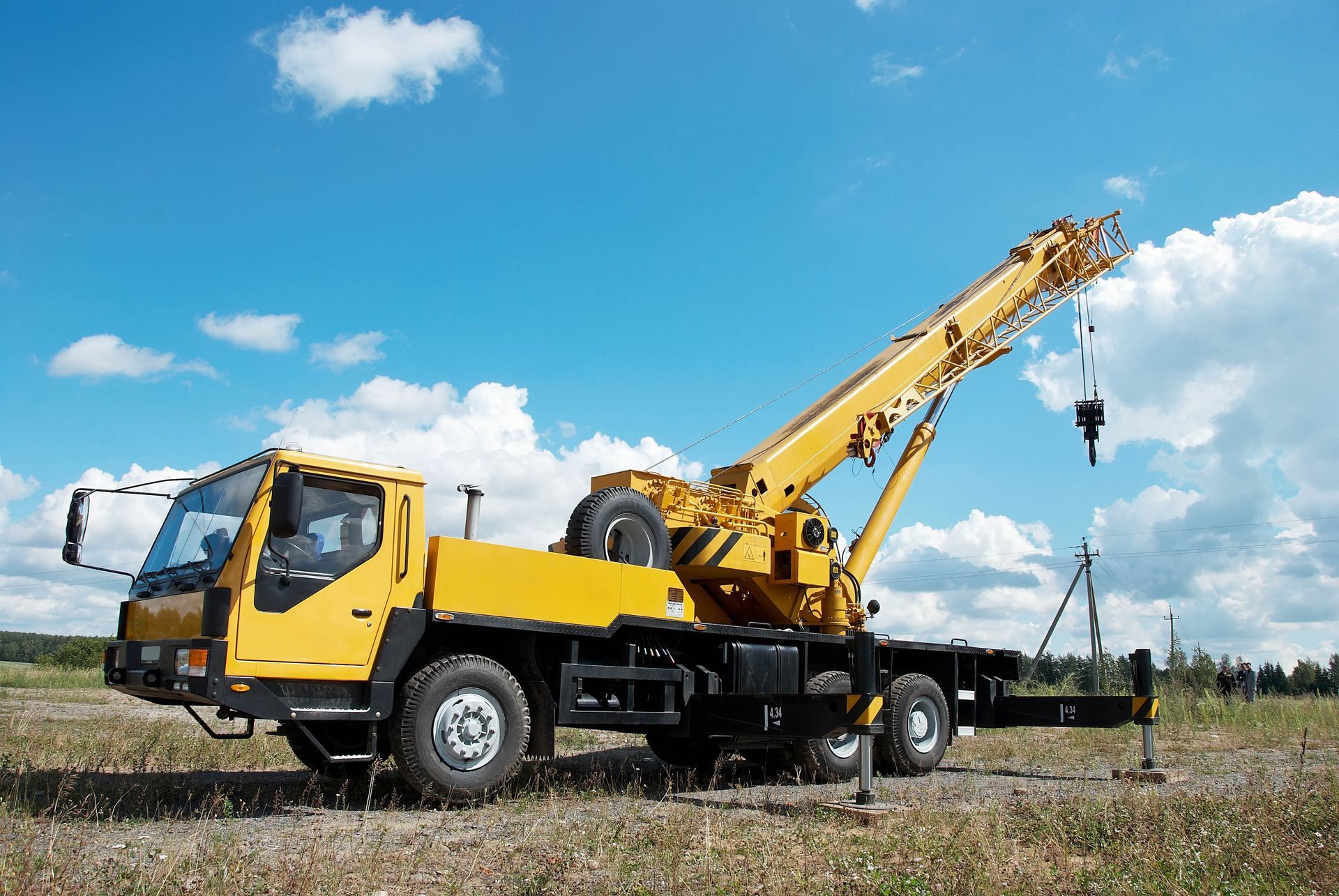
Local crane rentals may include mobile cranes, hydraulic cranes, boom trucks, and other lifting solutions that can be matched to the project. Having access to different options helps companies complete work more efficiently while avoiding the cost of purchasing multiple pieces of specialized equipment.
Skilled Operators and Support
Some rental agreements include access to trained operators, which can be valuable for companies that do not have crane operators on staff. Skilled operators understand lift planning, load control, site safety, and equipment limitations. Their experience can reduce risk and help the project move more smoothly.
Local crane rentals can also give contractors access to support teams who understand how to plan lifts around nearby buildings, traffic, utilities, and job site restrictions. This support can improve coordination and help crews avoid preventable issues during the lifting process.
Crane rentals can help construction companies control costs, improve scheduling, and access the right equipment without the financial burden of ownership. From lower transportation expenses to faster response times and flexible rental periods, local crane rentals offer practical advantages throughout the full project. By choosing a nearby provider, contractors can reduce downtime, improve coordination, and keep work moving with greater confidence. For businesses planning a project that requires heavy lifting, local crane rentals can be a smart way to protect the budget while supporting safe, efficient results. Contact Bosco Crane Co Inc today to learn more.
Share On: